
Your grocery bill might soon depend on more than just inflation — it could depend on who you are, where you live, and what data a store has on you.
This morning, the United Food and Commercial Workers International Union (UFCW) launched a massive national offensive titled the “Affordable Groceries and Good Jobs Campaign.” The goal? To outlaw "surveillance pricing" and the electronic shelf labels (ESLs) that make it possible.
The movement has a heavy Pacific Northwest thumbprint. Oregon Sen. Jeff Merkley and U.S. Rep. Val Hoyle (D-Oregon) are among the primary sponsors of the "Stop Price Gouging in Grocery Stores Act," introduced today in Washington, D.C.
What is ‘Surveillance Pricing’?
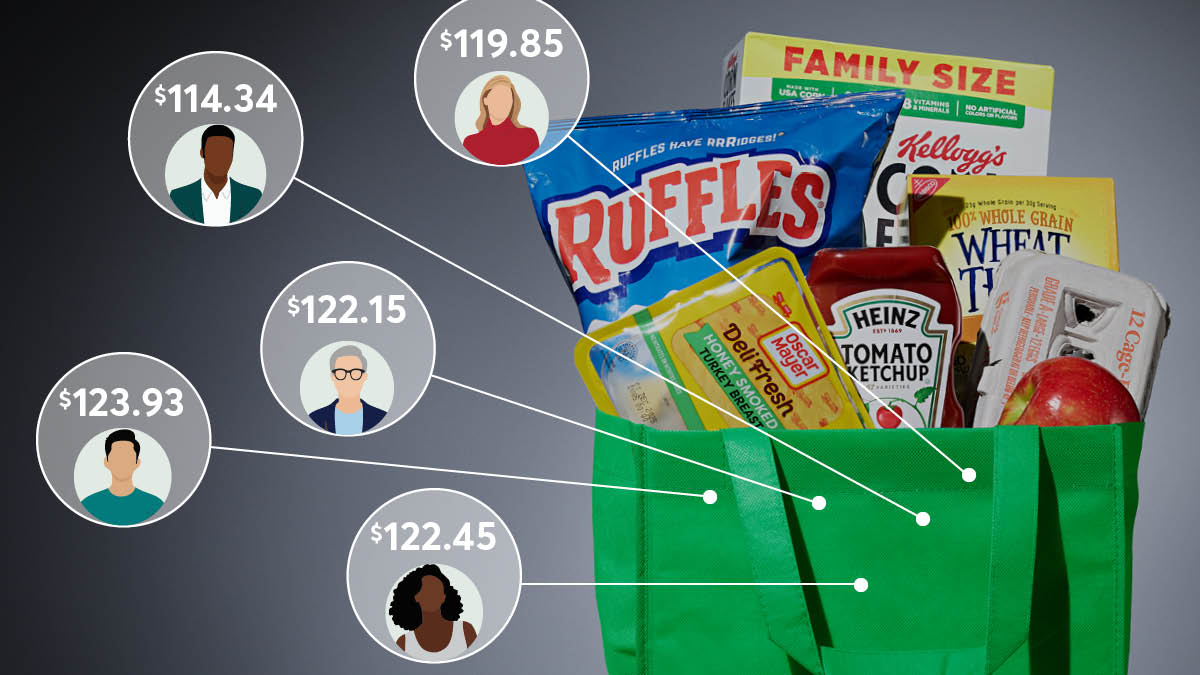
Surveillance pricing uses AI and personal data — ranging from your ZIP code to your browsing history or even facial recognition — to adjust prices in real-time.
“Technology should serve workers and consumers, not exploit them,” said Washington State Rep. Mary Fosse, highlighting a sentiment shared by many across the Columbia River. “Large retailers are investing in AI and data systems that can change prices instantly, individually, and secretly.”
E-commerce services like Instacart are already deploying tenets of surveillance pricing, adjusting prices on the fly based on unique customer data.
The End of the Paper Tag?

At the heart of the battle are Electronic Shelf Labels (ESLs). While they look like high-tech upgrades to the standard paper price tag, the UFCW warns they are the "missing piece of the surveillance pricing puzzle."
Unlike paper tags, which require manual labor to change, ESLs allow stores to fluctuate prices at the click of a button. Major retailers are already moving fast:
Walmart plans to have ESLs in 2,300 stores by the end of this year (and already uses them in several stores in the Portland metro area).
Kroger (which operates Fred Meyer and QFC in the Portland area) began its rollout years ago and continues to expand the technology.
The proposed legislation would mandate a return to analog paper pricing in stores larger than 10,000 square feet and require stores to disclose if they are using facial recognition technology.
The Impact on Jobs and Wallets
For the 1.2 million workers represented by the UFCW, the shift isn't just about consumer privacy — it’s about job security. The union argues that automating price changes eliminates the need for grocery clerks while forcing remaining staff to deal with "rightfully angry customers" confused by shifting costs.
“Americans are hurting under the affordability crisis,” said UFCW International President Milton Jones. “We are starting this national campaign to stop corporations from being able to change prices in front of [consumers'] eyes just because they live in the wrong ZIP code or are a new parent.”
The Political Fight Ahead
The timing of this campaign is no accident. While the FTC began investigating surveillance pricing in 2024, the UFCW notes that the inquiry was shuttered shortly after the change in presidential administrations. This has shifted the battlefield to Congress and state houses.
Beyond the federal bill co-sponsored by Merkley and Hoyle, state-level bans on ESLs and surveillance pricing have already been introduced in Washington, New York, and Oklahoma.
For Oregonians watching their budgets, the message from the UFCW and local lawmakers is clear: they want the price you see on the shelf to be the same price the person behind you pays—no matter what the algorithm says.
Stumptown Savings will continue to monitor how this legislation affects local Fred Meyer, Safeway, and Walmart locations.

Support Stumptown Savings
At Stumptown Savings, we're all about being independent, which means our focus is entirely on you. We count on our readers to help us keep going strong. By joining the Savers Club, you can support our mission and enjoy some awesome perks. Members get exclusive access to guides (like our hit seasonal produce guides), in-depth deal analysis, and invites to members-only events. You can join today for just $8 a month or $80 a year (that's like getting two months free!). We'd love to have you with us!
Happy saving!
Bryan,
Stumptown Savings
